A Contemporary Textile Rooted in History
by Rose Hairane, Curatorial Assistant for South Asian Art, Islamic Art & Antiquities and Megan Nauer, Acting Curator for Fashion Arts & Textiles
4/13/2026
The Curatorial departments of Fashion Arts & Textiles and South Asian Art, Islamic Art & Antiquities often collaborate, most recently on the acquisition of Lavanya Mani’s Tree of Life. This large, brightly colored textile combines the historic medium of kalamkari with contemporary commentary. Using wax and multiple baths of hand formulated natural dyes, kalamkari textiles primarily flourished on India’s southeastern Coromandel coast and were heavily traded during the seventeenth to nineteenth centuries between India, Southeast Asia, and Europe.
The artist uses kalamkari technique to depict a flourishing “tree of life,” most often understood as representing life and abundance. Here, however, the tree is surrounded by imagery of guns, fighter jets, and grenades. Working in techniques such as kalamkari, embroidery, and appliqué, Mani (based in Hyderabad, India) creates dialogues between past and present. In her practice she addresses colonialism, environmentalism, and cultural interaction, engaging with complex historical nuances of South Asian textile arts.
On view through December 2026 in the Anu and Shekhar Mitra Gallery for Asian Art (G143).
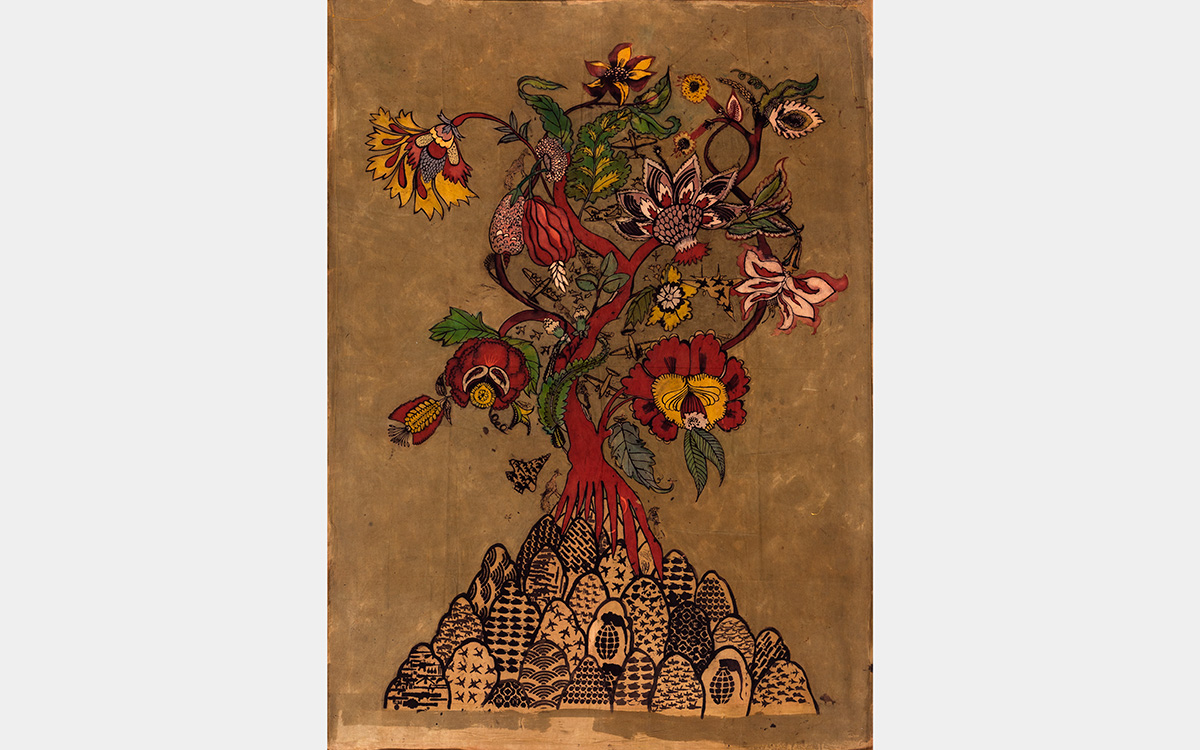
Lavanya Mani (Indian, b. 1977), Tree of Life, 2007, natural dye on cotton fabric, Museum Purchase: Carl and Alice Bimel Endowment, 2025.30
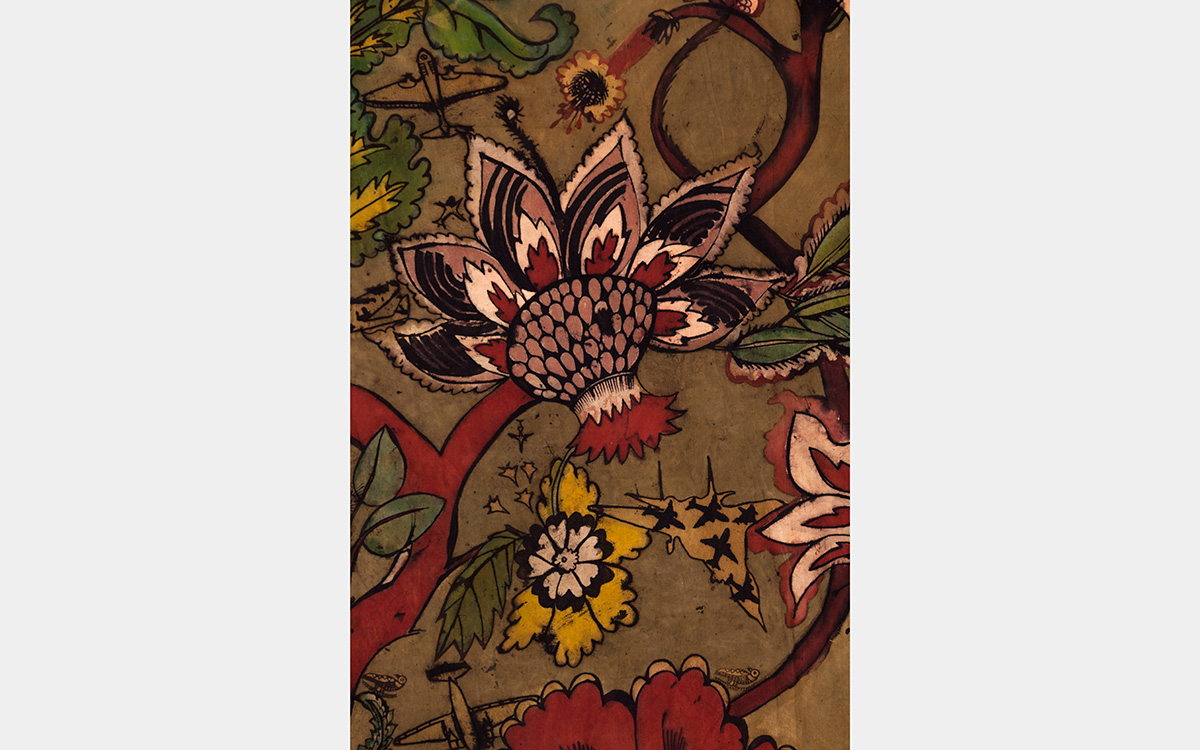
Lavanya Mani (Indian, b. 1977), Tree of Life (detail), 2007, natural dye on cotton fabric, Museum Purchase: Carl and Alice Bimel Endowment for Asian Art, 2025.30
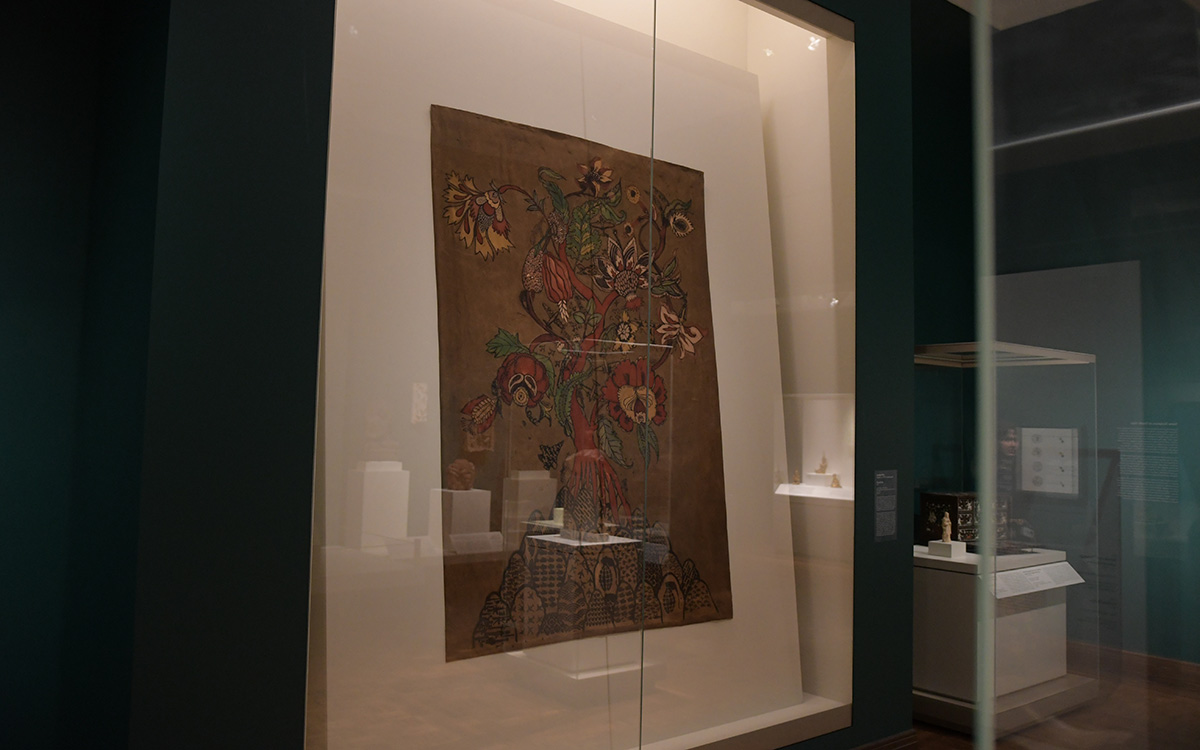
Tree of Life by Lavanya Mani on display in the Anu and Shekhar Mitra Gallery (G143).
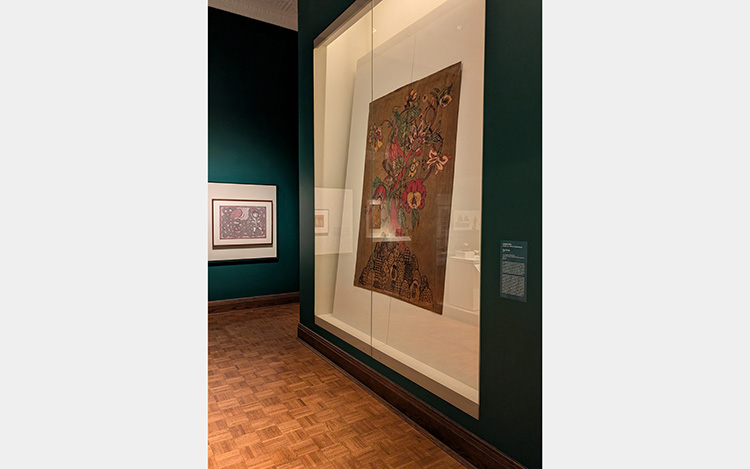
Tree of Life by Lavanya Mani on display in the Anu and Shekhar Mitra Gallery (G143).
Related Blog Posts

Cincinnati, OH 45202
Toll Free: 1 (877) 472-4226
Museum Hours
Museum Shop
Terrace Café
Library
The Cincinnati Art Museum is supported by the generosity of tens of thousands of contributors to the ArtsWave Community Campaign, the region's primary source for arts funding.

Free general admission to the Cincinnati Art Museum is made possible by a gift from the Rosenthal Family Foundation. Exhibition pricing may vary. Parking at the Cincinnati Art Museum is free.
Generous support for our extended Thursday hours is provided by Art Bridges Foundation’s Access for All program.

General operating support provided by: